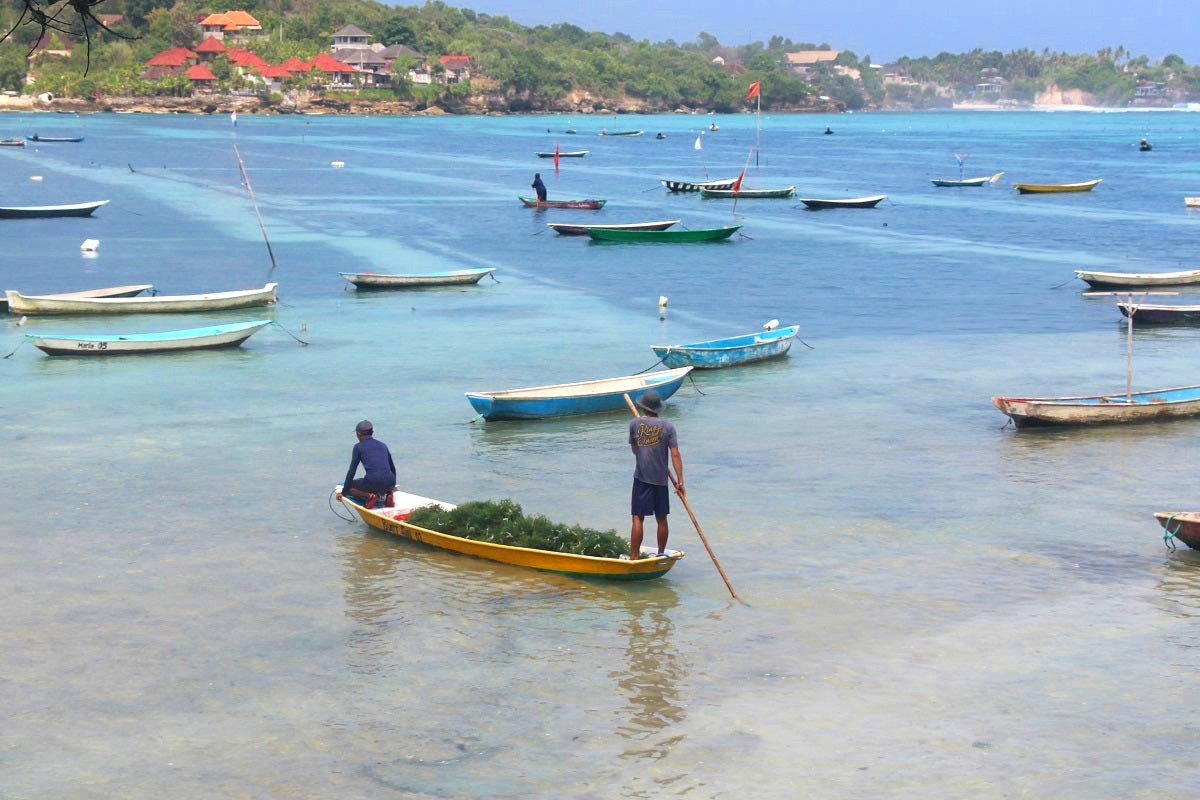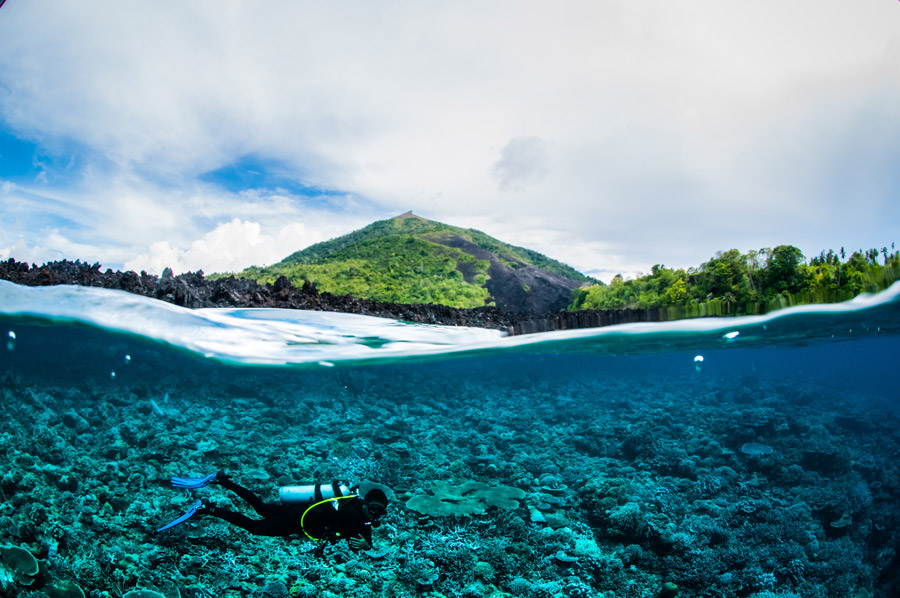
Nusa Lembongan diving is one of the best ways to experience the marine beauty of Bali’s small island trio. Located close to Nusa Ceningan and Nusa Penida, the island offers access to colourful reefs, drift-diving conditions, nearby manta ray areas, and the wider Nusa Penida marine environment. For certified divers and ocean-focused travellers, Lembongan is a practical base that combines island charm with serious underwater appeal. It is calmer than mainland Bali, yet close enough to some of the region’s most memorable dive sites.
Is Nusa Lembongan Good for Diving?
Yes, Nusa Lembongan is a strong choice for travellers who want reef diving, marine life encounters, and access to dive sites around Lembongan, Ceningan, and Penida. The island is especially suitable for certified divers who are comfortable following local guidance, as currents can be strong in some areas.
Beginners can still enjoy diving here, but they should choose a reputable dive centre, ask about conditions, and avoid sites that are too advanced for their level. Beautiful water does not always mean easy water. For that reason, diving in Nusa Lembongan should be approached with respect, preparation, and the right operator.
Why the Marine Setting Matters
The waters around Nusa Lembongan are part of the wider Nusa Penida Marine Protected Area, which covers around 20,070 hectares around Nusa Penida, Nusa Lembongan, and Nusa Ceningan. This protected marine zone includes coral reefs, mangrove ecosystems, and seagrass beds, creating an important habitat for marine biodiversity.
Conservation references have recorded hundreds of coral species in the area, including 296 in 2008. This data helps explain why the region attracts divers interested in more than just visibility or big marine animals. The underwater environment is part of a larger protected system, where reef health, currents, and marine life are closely connected.
For travellers, this means diving is not just another activity. It is a way to understand why these islands matter ecologically and why responsible tourism behaviour is important.
What Marine Life Can Divers See?
Marine life around Lembongan varies with the season, dive site, water temperature, currents, and luck. Divers may encounter reef fish, turtles, rays, coral gardens, cleaning stations, and the wider pelagic life associated with the Penida channel.
Some travellers visit the area hoping to see manta rays or mola mola. These encounters can happen in the wider region, but they should never be treated as guaranteed. A responsible dive operator will set realistic expectations and explain that wildlife sightings depend on natural conditions.
The best approach is to dive with curiosity rather than a checklist. Pay attention to buoyancy, coral formations, fish behaviour, current movement, and the way local guides read the ocean. This makes the experience richer, even when the biggest animals do not appear.
Currents, Conditions, and Safety
The waters around Nusa Lembongan, Nusa Ceningan, and Nusa Penida can be dynamic. Currents may shift quickly, and some dive sites are better suited to experienced divers. This is one of the most important things to understand before planning a trip.
A good dive centre should ask about your certification level, recent dive history, comfort in current, insurance, and overall confidence underwater. They should also provide clear briefings, explain entry and exit procedures, and adjust the dive plan according to the day’s conditions.
For Nusa Lembongan diving, safety is part of the value. Smaller groups, surface support, experienced guides, well-maintained equipment, and conservation-minded behaviour are more important than simply choosing the cheapest dive package.
How to Plan a Diving Holiday in Nusa Lembongan
A good diving holiday should include enough time to rest. Avoid planning too many intense back-to-back activity days, especially if you are also surfing, snorkelling, travelling by boat, or exploring the island by scooter.
If you are flying after diving, follow safe surface interval guidance before your flight. Many travellers also combine diving with yoga, snorkelling, mangrove tours, beach time, and relaxed dinners. This balance makes the trip feel less rushed and gives your body time to recover between ocean activities.
Accommodation location can also make a difference. Staying near boat departure points or dive centres can make early mornings easier. If you are travelling with non-divers, choose a base close to beaches, cafes, viewpoints, and other activities so everyone can enjoy the island.
Best Travellers for This Diving Destination
Nusa Lembongan is a good fit for certified divers, ocean lovers, adventure travellers, couples, and groups who want a calmer island base than mainland Bali. It is also useful for travellers who want access to multiple marine areas without changing accommodation every night.
The island may not be ideal for people who want nightlife, luxury shopping, or a highly urban travel experience. Lembongan is better suited to travellers who enjoy simple island movement, ocean activities, slower evenings, and a more relaxed coastal rhythm.
For divers, this setting is part of the appeal. You can start the day on the water, return to a beachside cafe, enjoy sunset, and still feel connected to the natural environment that brought you there.
Tourism Pressure and Responsible Diving
Bali remains one of Indonesia’s busiest travel destinations, and marine tourism continues to grow. With high visitor demand, popular dive areas can face pressure from boats, waste, reef contact, and irresponsible wildlife behaviour.
Travellers can support better outcomes by choosing dive operators who respect marine guidelines, avoid touching or chasing wildlife, manage waste carefully, and brief guests on reef-safe behaviour. Divers should maintain good buoyancy, avoid standing on coral, keep fins away from reef structures, and never attempt to interact physically with marine animals.
Responsible diving protects the same environment that makes the trip worth taking. It also supports local communities and helps preserve the long-term value of the Nusa islands as a marine destination.
Traveller Checklist Before Booking
Before choosing a dive plan, ask a few practical questions. How experienced is the dive centre? Are the dive sites suitable for your certification level? What are the current conditions? Is equipment included? How many divers are in each group? Is insurance required or recommended? How close is your accommodation to the departure point?
These questions help travellers move from general inspiration to real planning. They also support answer engine optimisation by matching the direct, practical questions people ask before booking a diving trip.
Final Takeaway
Nusa Lembongan diving is not only about seeing marine life. It is about experiencing a protected island environment where reefs, currents, local knowledge, and responsible travel all matter. With the right dive centre, realistic expectations, and respect for the ocean, diving around Lembongan can be exciting, educational, and deeply memorable.
For travellers who want a calmer island base with access to some of Bali’s most remarkable underwater landscapes, Nusa Lembongan is one of the most rewarding places to start.