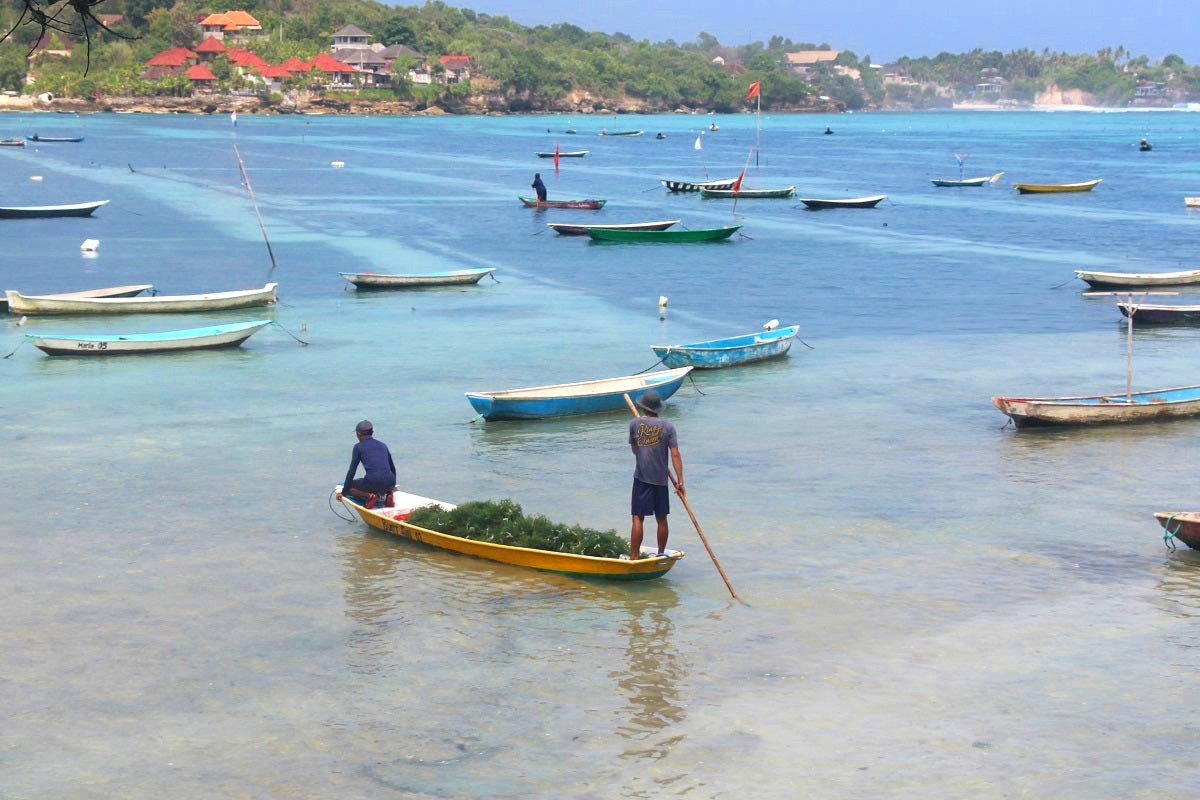
Long before Nusa Lembongan became known for crystal-clear waters, world-class diving, and unforgettable island holidays, its economy revolved around the ocean in a very different way. Seaweed farming Nusa Lembongan has been part of local life for generations, shaping the culture, livelihoods, and coastal landscape that visitors see today. While tourism now plays a major role, seaweed farming remains a living tradition that offers travellers a unique opportunity to experience the island beyond its beaches.
For visitors seeking authentic cultural experiences, walking through the seaweed farms is one of the most rewarding activities on the island. It provides a glimpse into daily life, showcases the resilience of the local community, and reminds us that Nusa Lembongan’s identity extends far beyond its stunning scenery.
The History Behind Nusa Lembongan’s Seaweed Farms
Before tourism flourished, seaweed cultivation was the backbone of the island’s economy. Families relied on the surrounding shallow lagoons to grow high-quality tropical seaweed, which was harvested, dried under the sun, and exported for use in food, cosmetics, pharmaceuticals, and other industries.
The calm waters between Nusa Lembongan and neighbouring Nusa Ceningan created ideal conditions for cultivation. At low tide, large sections of the coastline reveal neatly arranged farming plots stretching across the reef flats, creating one of the island’s most recognisable landscapes.
Although many residents now work in hospitality, diving, and marine tourism, seaweed farming Nusa Lembongan continues to preserve traditional knowledge that has been passed from one generation to the next.
Where Visitors Can See the Seaweed Farms
One of the best things about this cultural experience is how accessible it is. Visitors don’t need a guided tour to appreciate the farms, although local guides often provide fascinating stories about the history and harvesting process.
Some of the best locations include:
- Jungut Batu’s shallow coastline
- The shores near the Yellow Bridge
- Areas around Nusa Ceningan
- Coastal paths facing the mangrove forests
The experience changes throughout the day. During low tide, farmers walk through the exposed reef carrying baskets filled with fresh seaweed. During high tide, colourful floating lines gently move with the ocean, creating beautiful patterns across the water.
For photographers, seaweed farming in Nusa Lembongan offers some of the island’s most distinctive and authentic images.
Understanding the Farming Process
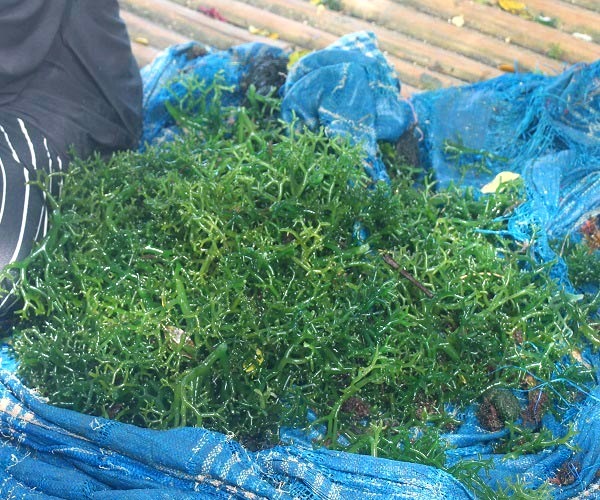
Seaweed farming may appear simple, but it requires patience, skill, and careful timing.
Farmers begin by tying young seaweed onto long ropes anchored to wooden stakes. Over several weeks, the seaweed grows beneath the shallow water, nourished by sunlight and ocean currents.
Once mature, the seaweed is harvested by hand before being spread across drying platforms under the tropical sun. The drying process can take several days depending on weather conditions before the product is packed and transported to processing facilities.
Watching this process firsthand helps visitors appreciate the dedication involved in maintaining one of Indonesia’s oldest coastal industries.
A Living Heritage Worth Protecting
Unlike museums or historical monuments, seaweed farms are part of everyday life.
Children often help their parents after school, while multiple generations work together during harvesting periods. This connection between family, community, and nature represents an important part of Nusa Lembongan’s cultural identity.
As tourism continues to grow, preserving traditional industries ensures that visitors experience a genuine island culture rather than a destination shaped solely for tourism.
Supporting local businesses, respecting farming areas, and learning about their history all contribute to protecting this valuable heritage.
Photography Tips When Visiting
The seaweed farms provide incredible opportunities for landscape and documentary photography.
For the best results:
- Visit during low tide.
- Arrive shortly after sunrise or before sunset.
- Use natural light to capture reflections.
- Include local farmers only after requesting permission.
- Stay on public walking paths whenever possible.
Respectful photography creates meaningful travel memories while supporting positive relationships with the local community.
How to Visit Responsibly
Seaweed farms are active workplaces rather than tourist attractions.
Visitors should remember a few simple guidelines:
- Never walk across the farming ropes.
- Avoid stepping on drying seaweed.
- Ask before photographing people.
- Keep beaches clean.
- Support locally owned cafés and shops nearby.
- Follow local advice regarding tides and reef access.
Responsible tourism helps preserve both the environment and the livelihoods of island residents.
Combining Seaweed Farms with Other Island Experiences
A visit to the farms fits perfectly into a full day of exploring Nusa Lembongan.
Many travellers arrive via a nusa lembongan boat transfer, while others prefer arranging a private boat to nusa lembongan for greater flexibility. After exploring the coastline, visitors can continue to nearby mangrove forests, enjoy a relaxing beach afternoon, or discover one of the island’s famous viewpoints.
Adventure seekers often combine the experience with a visit to a nearby nusa lembongan surf spot, while food lovers finish the day discovering the best places to eat in nusa lembongan, where fresh seafood and Indonesian specialities showcase the island’s rich culinary culture.
Choosing the Right Place to Stay
Exploring the seaweed farms is even easier when staying close to the island’s main attractions.
Many visitors choose Lembongan Island Beach Villas because it provides convenient access to beaches, local villages, and cultural experiences across the island. Whether you’re searching for comfortable nusa lembongan accommodation, relaxing lembongan beach villas, or a peaceful lembongan beach villas resort, staying near the coastline allows you to experience both sunrise and sunset around the farming areas.
Travellers seeking extra privacy may also consider a villa for rent nusa lembongan, while families often prefer spacious nusa lembongan family accommodation that provides easy access to beaches and restaurants. There are also many beautiful villas in Lembongan Island that make an excellent base for exploring local culture alongside the island’s natural attractions.
Why Seaweed Farming Matters Today
While many visitors arrive for snorkelling, diving, and beaches, seaweed farming offers something equally valuable: a deeper understanding of the island itself.
It tells the story of resilience, community, and sustainable living. It demonstrates how generations have adapted to life surrounded by the ocean while preserving traditions that continue to support local families.
Experiences like these create stronger connections between travellers and destinations, encouraging more meaningful and responsible tourism.
Experience the Authentic Side of Nusa Lembongan
The beaches may attract visitors, but the people and their traditions are what make Nusa Lembongan truly memorable.
Watching farmers carefully tend their seaweed plots, learning about a centuries-old livelihood, and appreciating the harmony between culture and nature provide an experience that cannot be replicated elsewhere. Whether you’re exploring with family, travelling as a couple, or discovering the island solo, taking time to visit the seaweed farms reveals a quieter, more authentic side of island life.
For travellers looking beyond the usual attractions, seaweed farming Nusa Lembongan offers one of the island’s most rewarding cultural experiences—one that celebrates local heritage while helping preserve it for generations to come.