Bali is more than just an island of stunning beaches and breathtaking sunsets but also a land rich in tradition, culture, and spirituality. One of this culture’s most visible and captivating aspects is Balinese architecture, particularly in the design of the island’s temples. These sacred spaces serve as places of worship and guardians of Bali’s spiritual and architectural heritage.
If you’ve ever wondered how architecture and spirituality blend so beautifully in Bali, this is your gateway to understanding the significance of Balinese architecture through its temples. Let’s take a journey into the heart of Bali’s sacred spaces and discover how these temples preserve the island’s rich traditions.
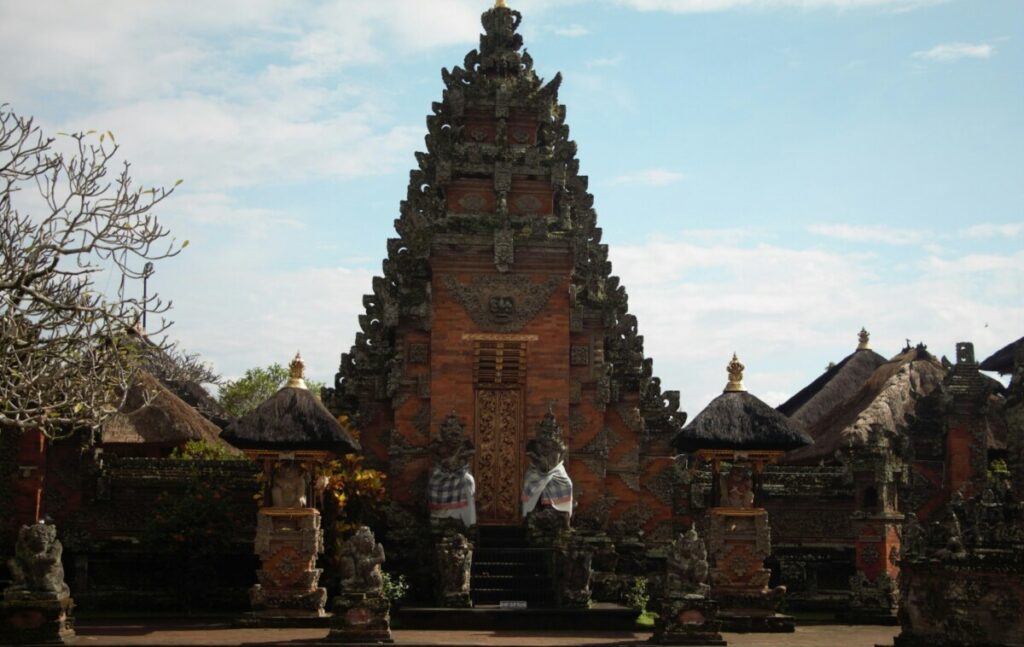
The Significance of Balinese Temples
Temples, or Pura as they’re called in Bali, are integral to the island’s spiritual and cultural landscape. There are thousands of temples across Bali, each home to various gods, spirits, and ancestral deities. But they’re much more than religious structures—Balinese temples are symbols of the island’s connection to nature and the cosmos.
One of the unique aspects of Balinese architecture is the belief in “Tri Hita Karana,” the philosophy that a harmonious relationship between humans, nature, and the divine sustains life. This philosophy is embedded in the design of every Balinese temple, where nature, spirituality, and community are in perfect balance.
These temples aren’t just places of worship but also a living, breathing testament to Bali’s commitment to preserving its traditions. Every stone, carving, and pagoda has meaning, contributing to the ongoing narrative of Bali’s rich cultural heritage.
Key Elements of Balinese Architecture in Temples
If you’ve enjoyed visiting Bali’s temples, you’ve likely noticed the intricate designs, towering gates, and spacious courtyards. But you might not know that these elements are all part of the genius behind Balinese architecture. Here are a few key features that make these temples stand out:
- The Candi Bentar (Split Gate)
One of the first things you’ll notice about Balinese temples is the split gate, known as the Candi Bentar. This traditional gate, made from volcanic stone or brick, symbolizes the balance between the physical and spiritual worlds. The gate’s two halves represent the duality of life—good and bad, light and dark—and stepping through them is like crossing a threshold from the everyday world into the sacred.
- Meru Towers
Perhaps the most iconic structures in Balinese temple architecture are the Meru towers. These multi-tiered pagoda-style shrines are dedicated to the gods and ancestors. The more tiers a Meru has, the higher its significance, with some of the most sacred Merus towering up to 11 levels. These striking structures are visually stunning and serve as symbols of the connection between heaven and earth.
- The Altar and Inner Courtyard
At the heart of every Balinese temple lies the Padmasana, or the central altar, where the temple’s main deity resides. Surrounding the altar is the Jeroan, or inner courtyard, which is the most sacred part of the temple complex. Only priests and worshippers are allowed in this space, emphasizing its spiritual importance.
Balinese temples feature a highly structured layout that reflects the “Tri Mandala” architectural principle. This design divides the temple into three zones: an outer courtyard, middle courtyard, and inner courtyard.Each zone serves a specific purpose, creating a clear pathway from the earthly realm to the divine.
Balinese Temples as Cultural Guardians
Beyond their architectural beauty, Balinese temples are essential in preserving the island’s culture and traditions. Festivals, ceremonies, and rituals are held regularly at temples, where the community gathers to honor the gods and ancestors. These events are spiritual in nature and a celebration of Balinese life and customs.
One of the most fascinating aspects of Bali’s temple culture is its deep integration into daily life. People actively place offerings outside homes, businesses, and temples, showing continuous devotion and gratitude. This practice reminds us that Balinese architecture isn’t just about buildings. It’s about creating spaces where spirituality, community, and tradition thrive together.
Also Read: Discover the Hidden Gems of Bali
Conclusion: Why You Should Visit Balinese Temples
Whether you’re drawn to the island’s serene beauty, visiting Balinese temples is an experience you shouldn’t miss. These sacred spaces are more than tourist attractions—they symbolize Bali’s commitment to preserving its heritage, culture, and spirituality.
So, the next time you find yourself in Bali, take a moment to step through a temple’s Candi Bentar gate. Marvel at the towering Merus, and feel the quiet power of the inner courtyard. You’ll experience Balinese architecture and become part of a tradition that has stood the test of time.
Let Bali’s temples inspire you to see the world through the lens of harmony and balance, where every detail, whether grand or small, connects us with the divine.