A Delicate Balance on Komodo Island
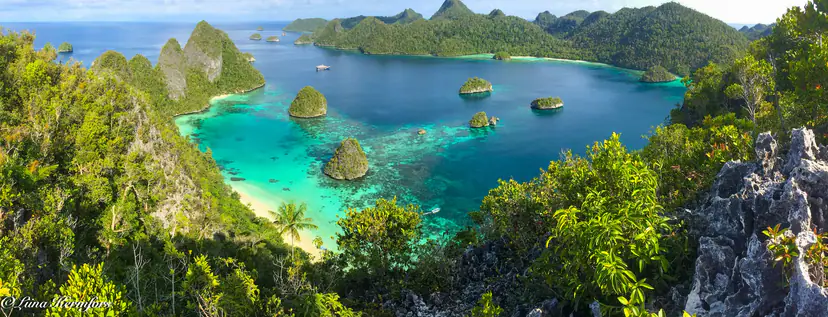
Komodo Island, part of Indonesia’s Komodo National Park, is home to the world’s most giant lizard, the Komodo dragon. This remote and biodiverse region has become an increasingly popular destination for tourists, many arriving on a Komodo liveaboard to explore the island and its surrounding areas. However, as tourism grows, so does the challenge of protecting this fragile ecosystem. The Indonesian government must balance sustaining vital tourism with protecting the Komodo dragon’s habitat.
The Komodo dragon is a fearsome predator and a remarkable symbol of Indonesia’s natural heritage. Yet, with the number of visitors to Komodo Island climbing, the dragons face new pressures. Increasing human activity, habitat destruction, and the impact of climate change threaten their population and the delicate ecosystems they inhabit.
Also read Komodo Liveaboard: How to Save Money for the Trip.
Tourism: A Boon and a Threat
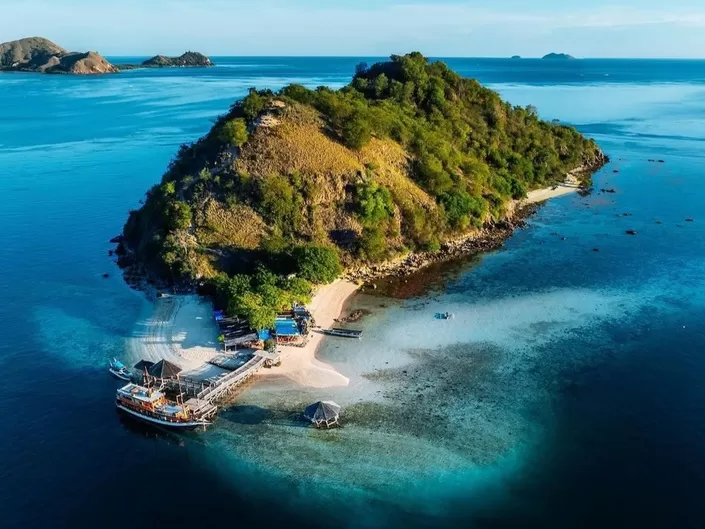
Tourism is crucial to the economy of Komodo Island, providing livelihoods for many of the island’s residents. Many tourists opt for a Komodo liveaboard, a popular way to visit the island and nearby areas like Rinca and Padar. These boats offer an all-in-one experience, allowing visitors to explore the unique landscapes, dive in crystal-clear waters, and encounter the dragons in their natural habitat. The liveaboard industry has flourished, generating revenue for the region and providing jobs for locals.
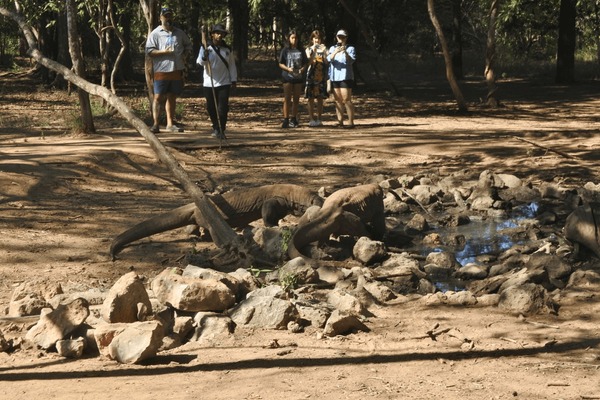
However, the surge in tourism also poses risks. As more tourists arrive, the demand for infrastructure grows. This increase in construction and development can lead to environmental degradation, with roads, resorts, and facilities encroaching on the dragons’ habitat. Additionally, the number of visitors increases the likelihood of human-wildlife conflicts, with some tourists ignoring safety guidelines when interacting with the Komodo dragons.
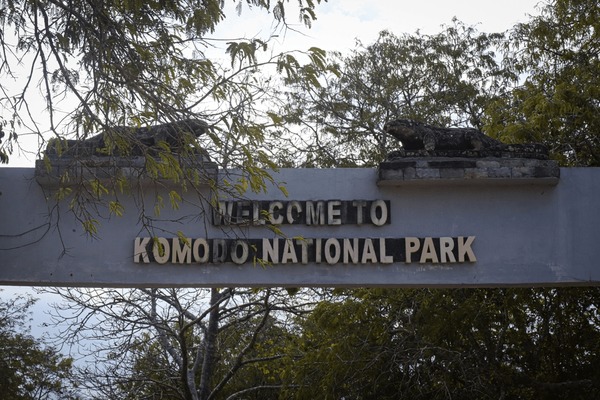
To combat these challenges, the Indonesian government has implemented a series of regulations to control tourism. Entry fees to Komodo National Park have been raised to limit the number of visitors, and more stringent guidelines are being enforced for tour operators, especially those offering Komodo liveaboard experiences. The goal is to ensure that tourism continues to benefit the local economy while minimizing its environmental footprint.
Conservation Efforts Underway
Conservation efforts on Komodo Island are focused on protecting the Komodo dragon and preserving the island’s rich biodiversity. Conservationists have been working closely with the government to implement measures limiting human environmental impact. These include regulating tourism activities, reforestation projects, and establishing no-go zones to protect critical habitats.
Programs are in place to monitor the number of Komodo dragons in the wild. Scientists are studying the impact of tourism and climate change on dragon behavior and health. This information is really important for devising good plans to ensure the Komodo dragon’s long-term survival.
Local communities should actively participate in conservation efforts in addition to these initiatives. By promoting eco-friendly tourism practices and raising awareness about the importance of protecting the island’s unique wildlife, residents can help reduce the negative impacts of tourism on Komodo Island. This community-driven approach is key to creating a sustainable tourism model that benefits the local population and the environment.
The Future of Komodo Island
Komodo Island’s future depends on finding the right balance between government and tourism. The Komodo dragon remains a powerful draw for visitors. Still, the very thing that attracts tourists could be protected with careful management. By adopting sustainable tourism practices, supporting conservation efforts, and enforcing regulations. Komodo Island can continue to thrive as a natural wonder and a tourist destination.
In the end, how well we balance things will decide whether our kids and grandkids get to see Komodo dragons in the wild. By working together, people who care about nature, the local community, and the tourism industry can help ensure that Komodo Island stays a beautiful and safe place for animals and continues to be a fantastic destination for people worldwide.